


What Are the Differences Between Air Cooling and Immersion Cooling?

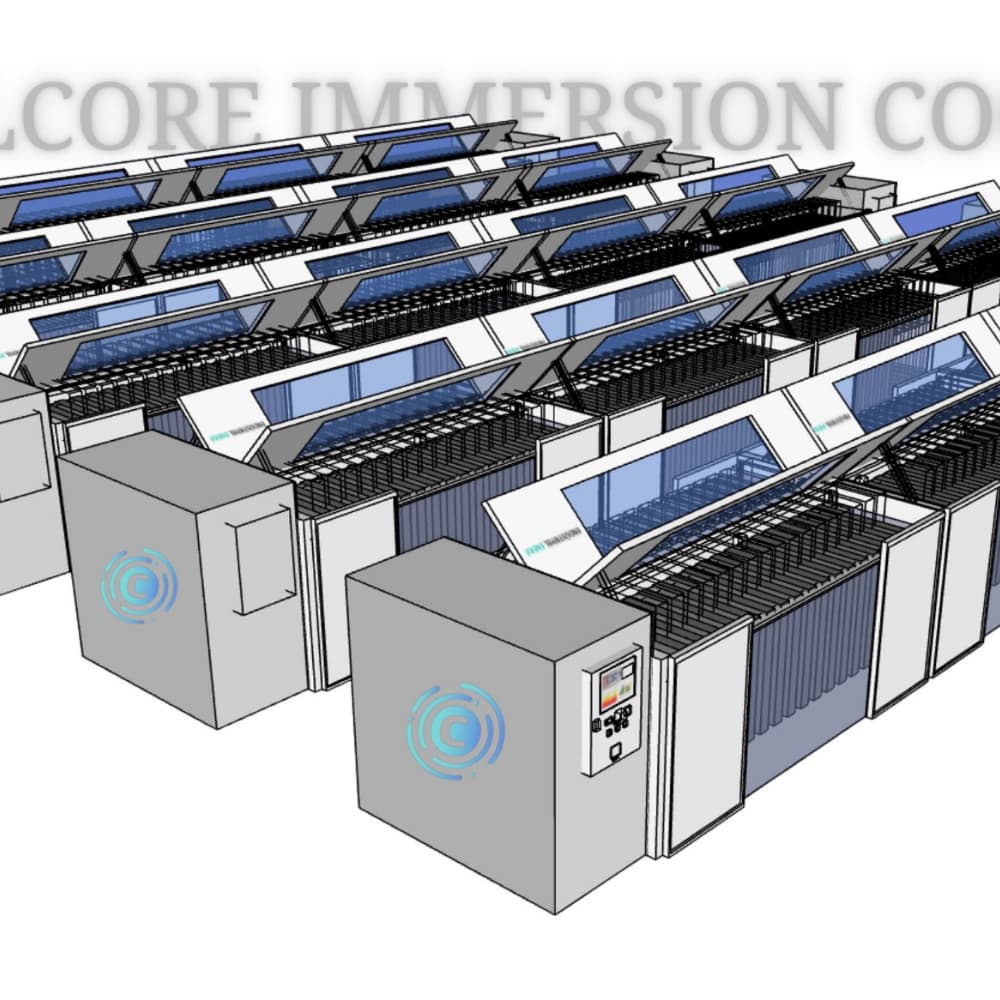
Air cooling is a cooling method used to control the temperature of electronic devices and industrial machines. This method aims to reduce the temperature of a certain environment by dissipating or extracting heat with air flow. Air cooling systems usually consist of components such as fans and heat exchangers.
The working principle of these systems starts with the hot air being drawn by the fans and then passed over the heat exchanger. The heat exchanger has a surface that allows the hot air to cool. This surface is usually in contact with a cooling material and this is how heat transfer occurs. The cooled air is then released back into the environment or directed to a specific surface. This process helps maintain a certain temperature range.
Air cooling is widely used in many areas due to its low cost and ease of installation. However, its effectiveness may be limited under certain conditions; in these cases, alternative methods such as immersion cooling may be used. The effectiveness of air cooling may vary depending on ambient temperature, humidity and air flow rate.
Immersion Cooling Method and Its Features
Immersion cooling is an effective cooling method widely used in industrial applications. This method involves immersing a liquid refrigerant mixture into objects or machines to cool them. Below are some important points about the characteristics and applicability of the immersion cooling method:
Air Cooling System Advantages and Disadvantages
Air cooling systems are a preferred cooling method in many sectors, but they also offer several advantages and disadvantages. One of the biggest advantages of these systems is that they are very easy to maintain. When cooling fans and ventilation ducts are cleaned regularly, the efficiency of the system remains high. Additionally, air cooling systems are generally low-cost to install and can save energy.
However, there are some disadvantages of air cooling systems. When ambient temperatures rise, the cooling capacity of the system may not be sufficient. At the same time, air cooling methods do not have the capacity to control a certain level of humidity, which can cause problems in environments with high humidity. Especially in industrial facilities, high humidity can affect product quality.
Another advantage of air cooling systems is their ease of installation and portability. These systems are an ideal choice for unstable structures and can be easily moved when necessary. When operating conditions change, air cooling systems can be quickly reconfigured. They also have the ability to be distributed effectively over large areas.
Benefits and Limitations of Immersion Cooling
Immersion cooling is a cooling technique that is frequently preferred in many industries. One of the biggest benefits of this method is that it provides high efficiency. Especially in large-scale systems, the use of liquid cooling is much more effective than air cooling methods in terms of heat transfer. Since it provides fast and effective cooling, it offers great advantages in processes that require temperature control.
Another advantage is that it reduces the system's need for heat exchangers. Since immersion cooling works by contacting the liquid directly, it can replace the large heat exchangers that would be required in air-cooled systems. This reduces the overall size of the system and reduces maintenance costs. In addition, the system's reliability increases because fewer moving parts are used.
Main Differences Between Air Cooling and Immersion Cooling
Air cooling and immersion cooling are two different cooling methods used in various fields with the development of technology. Both methods play important roles especially in industrial applications, but they have significant differences in terms of working principles and application areas.
First of all, air cooling reduces temperature by using air flow. This method is usually applied in an open system and cooling is achieved by air flow. The most important advantage of air cooling is that it is low cost and easy to install. However, its efficiency may vary depending on environmental conditions.
Cooling Options According to Application Areas
Air cooling and immersion cooling systems offer certain advantages and disadvantages that vary according to different application areas. These two cooling methods are preferred, especially in industrial areas, depending on energy efficiency, cost and system requirements.
Air Cooling Applications
Air cooling systems are generally used in the following areas:
- Electronic Hardware
- Vehicle Engines
- HVAC Systems
Immersion Cooling Applications
Immersion cooling is preferred in more specific application areas:
- Oil and Gas Industry
- Chemical Processing
- Food Processing
The cooling method to be selected should be determined based on energy efficiency, cost, application area and expected performance criteria. The differences between air cooling and immersion cooling are important factors affecting the choices, especially in these application areas.