


Greenhouse Heating Applications with Data Center Waste Heat

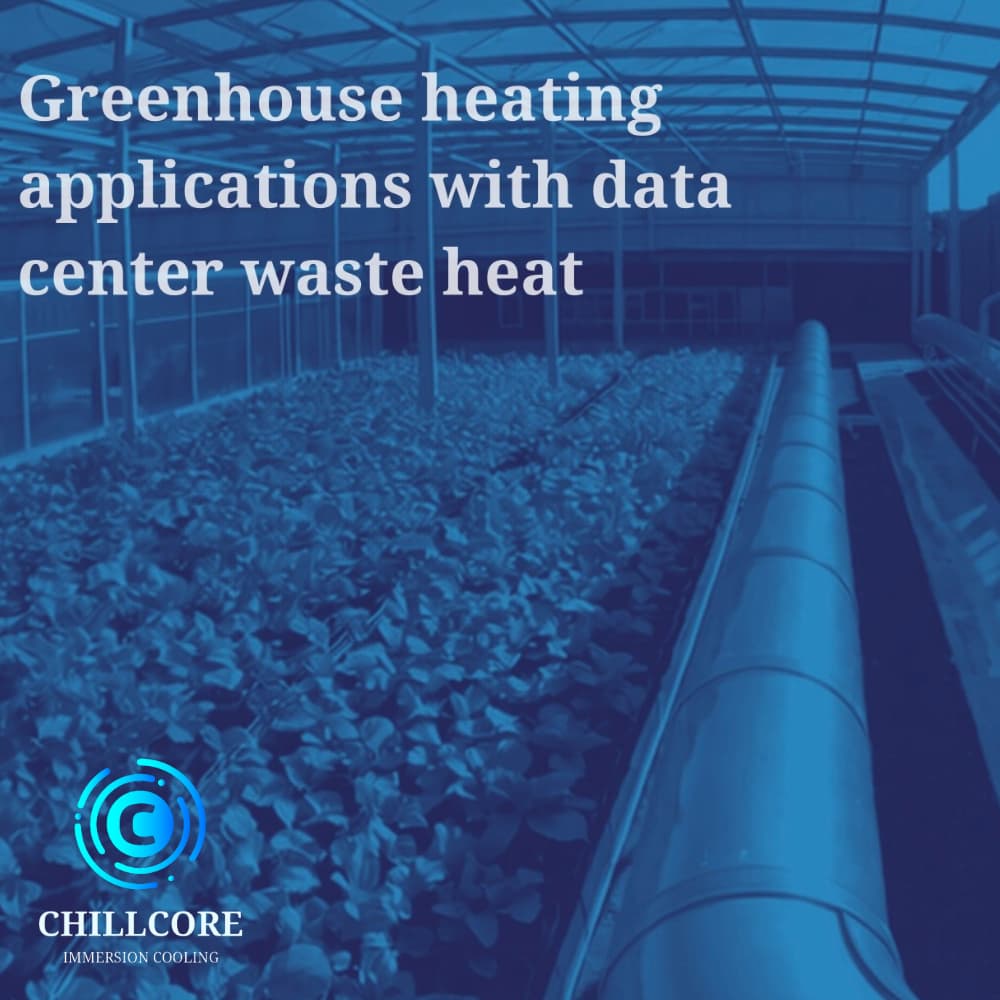
The use of data center waste heat in sustainable agricultural practices is considered an innovative solution that provides environmental and economic benefits. In such projects, waste heat from data centers is recycled for greenhouse heating, increasing energy efficiency and reducing greenhouse gas emissions.
Recycling and Utilization of Data Center Waste Heat
In data centers, a large amount of energy is used to cool computer equipment. The waste heat generated as a result of this process is usually wasted by being released into the atmosphere. However, in recent years, studies have been carried out to recycle this heat and use it in various industrial and agricultural applications. The waste heat is directed to greenhouses through specially designed heat transfer systems and helps plants grow at ideal temperatures.
In this application, heat transfer is usually provided by hot water or air ducts. Heat exchangers play an important role in making heat from data centers usable in greenhouses. This process is also considered a valuable approach in terms of environmental sustainability.
Advantages of Using Waste Heat in Greenhouse Heating
Using waste heat can provide significant cost savings in heating greenhouses. Traditional greenhouse heating methods are often based on fossil fuels, which both increases costs and harms the environment. By using data center waste heat, greenhouse owners can significantly reduce their energy costs and reduce their carbon footprint.
Additionally, the use of waste heat creates a more stable temperature environment in greenhouses, optimizing plant growth. Stable temperatures increase crop quality and yield, a critical benefit for sustainable agriculture.
Sustainable Agriculture Practices with Waste Heat
In sustainable agriculture practices, efficient use of energy resources has been determined as one of the priority targets. Data center waste heat is used as an innovative energy source in the agricultural sector. It is known that this method also contributes to the protection of water resources. For example, in heated greenhouses, plant growing processes are managed in a more controlled manner, which allows water loss to be minimized.
Heat recycling projects have a significant impact, especially in cold climate regions or in places where greenhouse activities are carried out throughout the year. Greenhouses that use data center waste heat can produce independently of seasonal changes and make a continuous contribution to the agricultural production chain.
Energy Efficiency Thermal Management Systems
Energy efficiency is one of the key elements in successfully utilizing waste heat from data centers. Advanced heat management systems ensure that heat is transported and used with minimal loss. These systems contribute to achieving maximum efficiency for both the greenhouse and the data center by optimizing energy transfer processes.
The aim of the design of heat management systems is to establish a suitable energy balance between the data center and the greenhouse. For this purpose, innovative technologies that can store heat or direct it to the points where it is needed are used. Such systems help reduce operational costs and ensure that energy resources are used more sustainably.
Technological Solutions for Data Center-Greenhouse Integration
Integration between data centers and greenhouses requires advanced technology systems. Heat transfer systems, sensors, and automation software play a critical role in ensuring this integration is seamless. Sensors optimize heat management by continuously monitoring temperature, humidity, and other environmental conditions in the greenhouse.
In addition, a two-way energy sharing system can be established between the data center and the greenhouse. For example, excess energy from the greenhouse can be used in the cooling processes of the data center. Such integrated systems provide economic advantages for both sectors as well as energy savings.
Environmental and Economic Impacts of Waste Heat Projects
Waste heat projects offer extensive benefits in terms of environmental sustainability and economic development. From an environmental perspective, reducing fossil fuel consumption and reducing carbon emissions are among the most important gains of these projects. From an economic perspective, reducing energy costs provides a competitive advantage to greenhouse producers.
These projects also contribute to local economies. For example, strengthening the local agricultural sector and increasing employment opportunities are among the indirect benefits of waste heat projects. In addition, with the implementation of these projects, data center operators are also adopting a more sustainable business model by reducing energy waste.
Latest Posts

Immersion Cooling Applications and Waste Heat Recovery

Immersion Cooling Companies in Australia

Immersion Cooling Companies in the Middle East

Areas of Use of Dielectric Cooling Cooler

Data Center Immersion Cooling Companies in Gulf Countries

The Most Efficient Data Center Cooling System in the Asia-Pacific (APAC) Region

Computer and Server Liquid Cooling

European Immersion Cooling Companies

Immersion Cooling Türkiye
